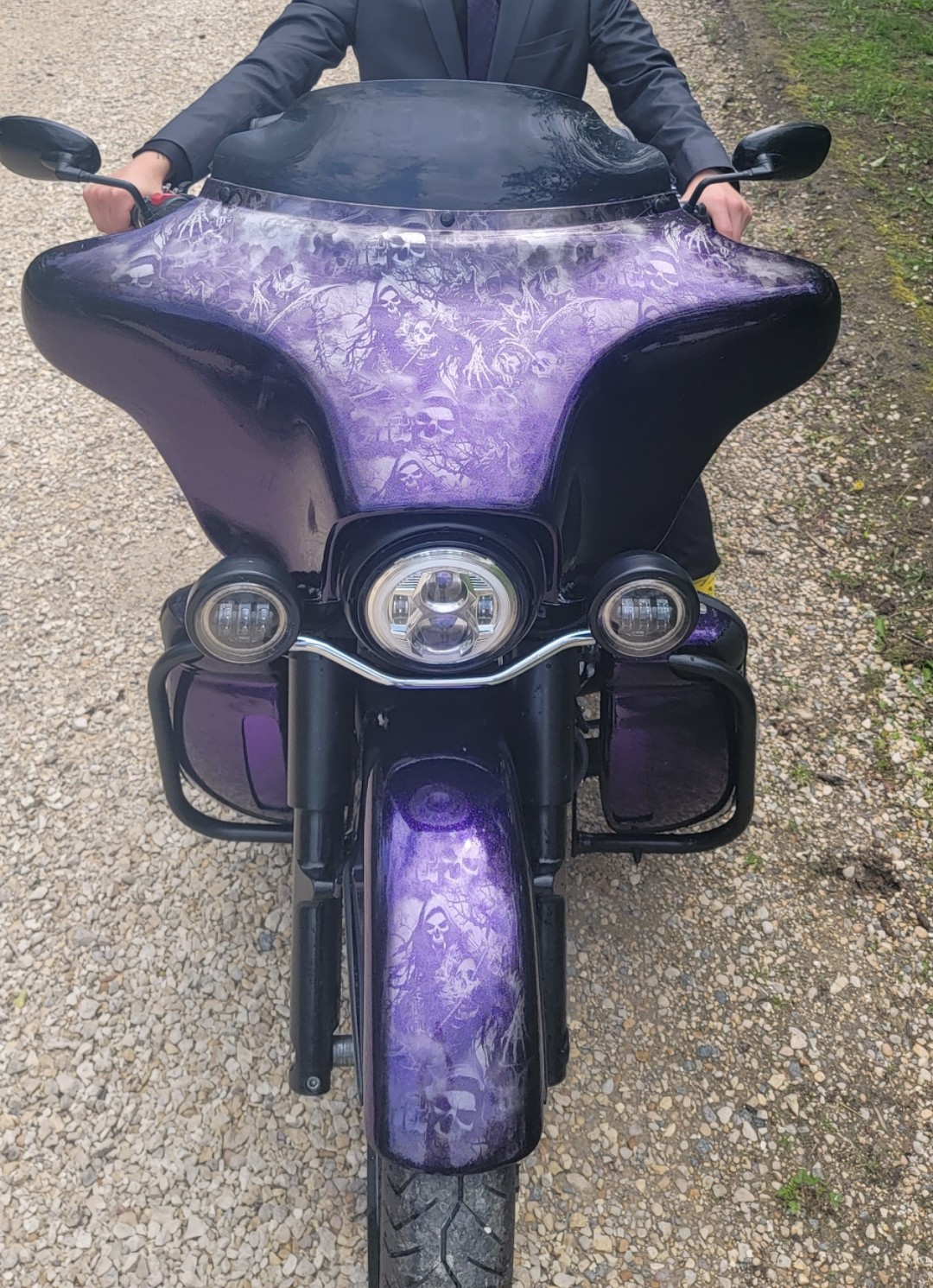
"Your Gear Will NEVER Look This Good By Accident. But In One Weekend With A $120 Kit, You'll Create Custom Finishes So Jaw-Dropping, People Will Literally Stop You To Ask Where You Had It Done…"
And When You Say "I Did It Myself In My Garage," You'll See That Look On Their Face — The One That Says "Holy Shit, I Need To Learn How To Do That" — Because This Isn't Paint That Chips Off In Six Months. This Is A PERMANENT Bond That Requires A Sandblaster To Remove.
Look.
You know your gear could look better.
That rifle in your safe?
It works great.
But it looks like every other black rifle at the range.
Your motorcycle parts?
Stock.
Plain.
Boring.
Your compound bow?
Basic factory finish when it could have concealment camo that actually works in the field.
Your wheel rims, ballistic helmet, hard hat, your tools, your everyday stuff — they work fine.
But they don't stand out.
They don't turn heads.
They don't make people stop and say "Damn, where'd you get that?"
And you've seen what's out there.
You've seen those Instagram posts with carbon fiber that looks like it belongs on a race car.
You've seen hunting rifles with camo so real, you thought a pro shop spent days on it.
You've watched videos of custom motorcycle parts with flames and skulls so detailed you thought, "I could never do that."
You've seen eyewear with intricate designs that wrap perfectly around every curve.
And here's what you probably thought:
"That's gotta cost a ton of money."
"I'd have to find a shop that does that."
"I'd wait weeks and pay $500... $800... maybe more."
"And I'm not artistic enough to do it myself."
You're right about the cost. Shops DO charge $500-$800+ for this.
But here's what's going to make you mad:
That "expensive pro coating" they charge you for?
Takes them about 20 minutes.
The process?
So easy that Gun schools teach it to brand new students.
The artistic skill you need?
None.
The pattern is already on the film.
The film does the work.
And that coating?
It's not some secret formula.
It's film you can buy.
The same stuff they use.
Here's the part that'll make you want to kick yourself:
You can do this yourself.
At home.
This weekend.
For $119.99.
And get results that look EXACTLY like what shops charge $500-$800 for.
I'm not saying "pretty close" or "good enough."
I'm saying the exact same pro results.
Same bond.
Same finish.
Same amazing patterns.
Because it's the exact same process.
The only difference?
You do it in your garage instead of paying someone else.
And unlike paint — which chips and fades and looks like crap after six months — this coating sticks to your item like crazy.
It doesn't sit on top.
It becomes PART of your item.
That's why it's so permanent that if you want it off, you need a sandblaster.
Not paint remover.
Not chemicals.
Not scrubbing.
A sandblaster.
That's how tough this is.
That's how permanent it is.
And you're about to learn exactly how to do it.
When you finish reading this, you'll understand why custom shops have been keeping this quiet for years.
You'll see why they charge big money for work that takes less time than your lunch break.
And you'll realize that the only thing between you and custom gear that makes people stare...
Is one weekend and a $120 kit.
Let me show you how this works.
The Secret Shops Have Been Using For Years (And Why They Charge You $500+ For 20 Minutes Of Work)
It's called hydrographic coating.
Or "hydro dipping" if you want to sound like you know what you're talking about at the range or to your buddies at the strip.
And it's the same thing that:
Police officers use to customize their personal firearms
Movie prop guys use to make props look real (yeah, that Harley part you saw on screen)
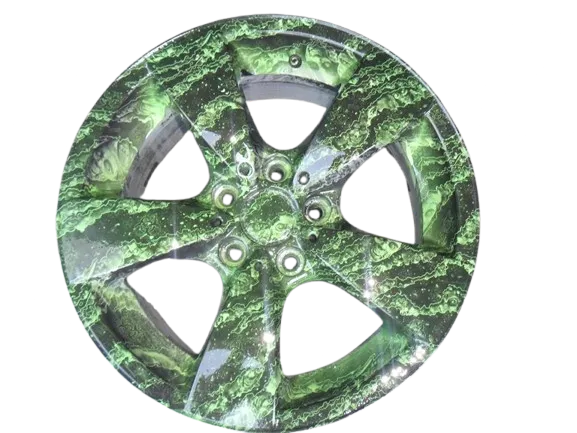
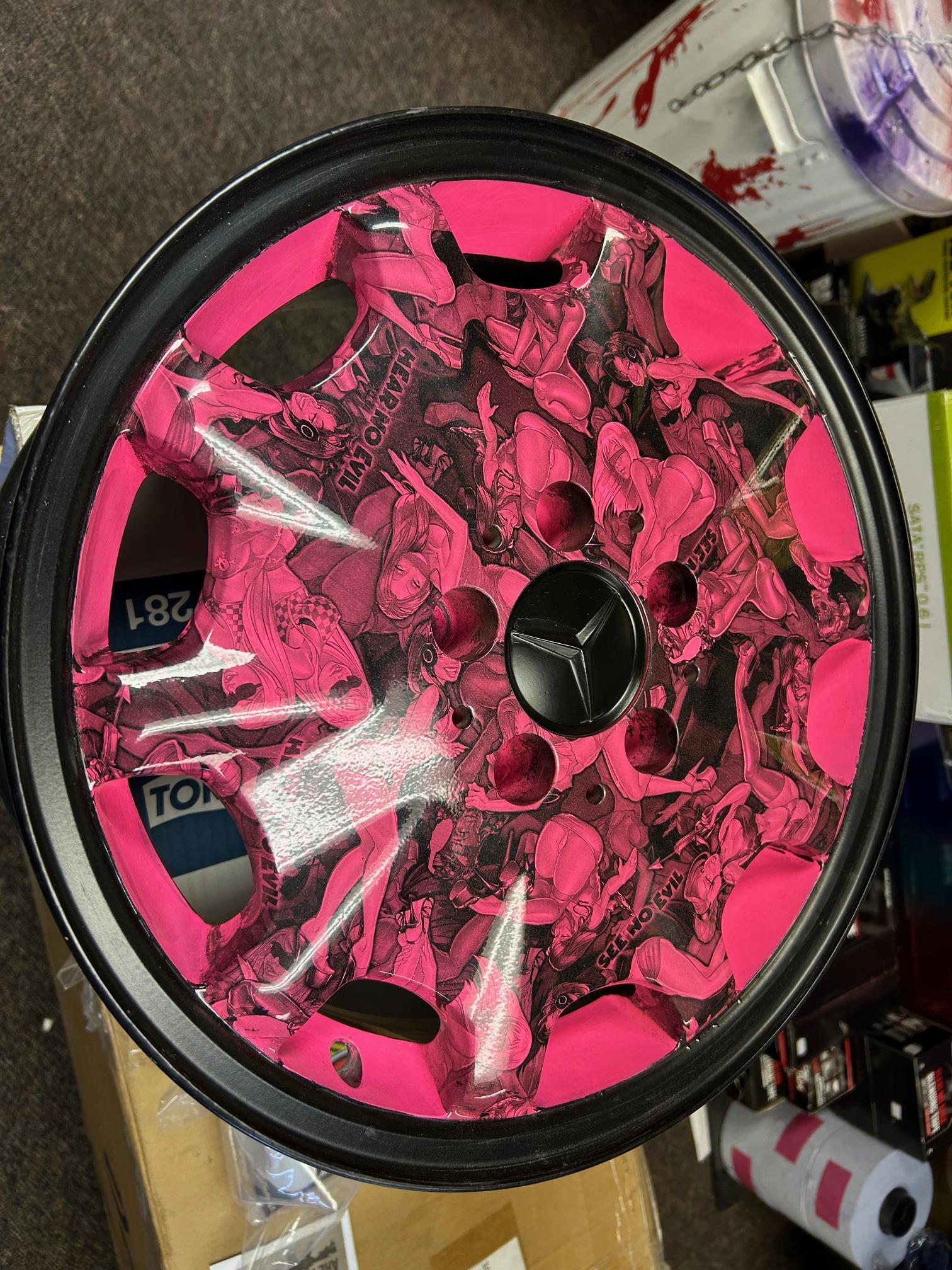
Car owners customize their wheel rims to be gorgeous
Gun schools teach in their classes
Custom shops charge you big money for
Military suppliers use on ballistic helmets and radio equipment
Aviation companies use to restore cabin interiors with marble and woodgrain
Eyewear companies use on intricate glasses frames
Here's how it works:
The coating creates a bond with your item.
It's not sitting ON TOP like paint.
It's not a sticker that peels off.
It becomes PART of the surface.
That's why it's tougher than paint.
More permanent than powder coating.
And way more impressive than anything from a spray can.
And that's why you need a sandblaster to get it off.
"But I'm Not A Pro. I Can't Do That."
I get it.
You're thinking this needs years of training.
Expensive tools.
An artistic eye.
A steady hand.
And you're worried you'll waste money and end up with a mess.
Let me make this clear.
Gun schools teach students to do this.
These are people who've never seen this film before.
And after a few tries, they're making pro-level results.
Why?
Because the film does the art for you.
You don't need to draw.
You don't need design skills.
You don't need a steady hand for detailed work.
The pattern is already on the film.
Carbon fiber.
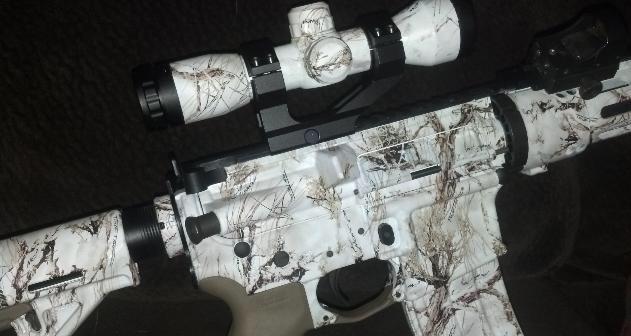
Real-looking camo.
Detailed skulls.
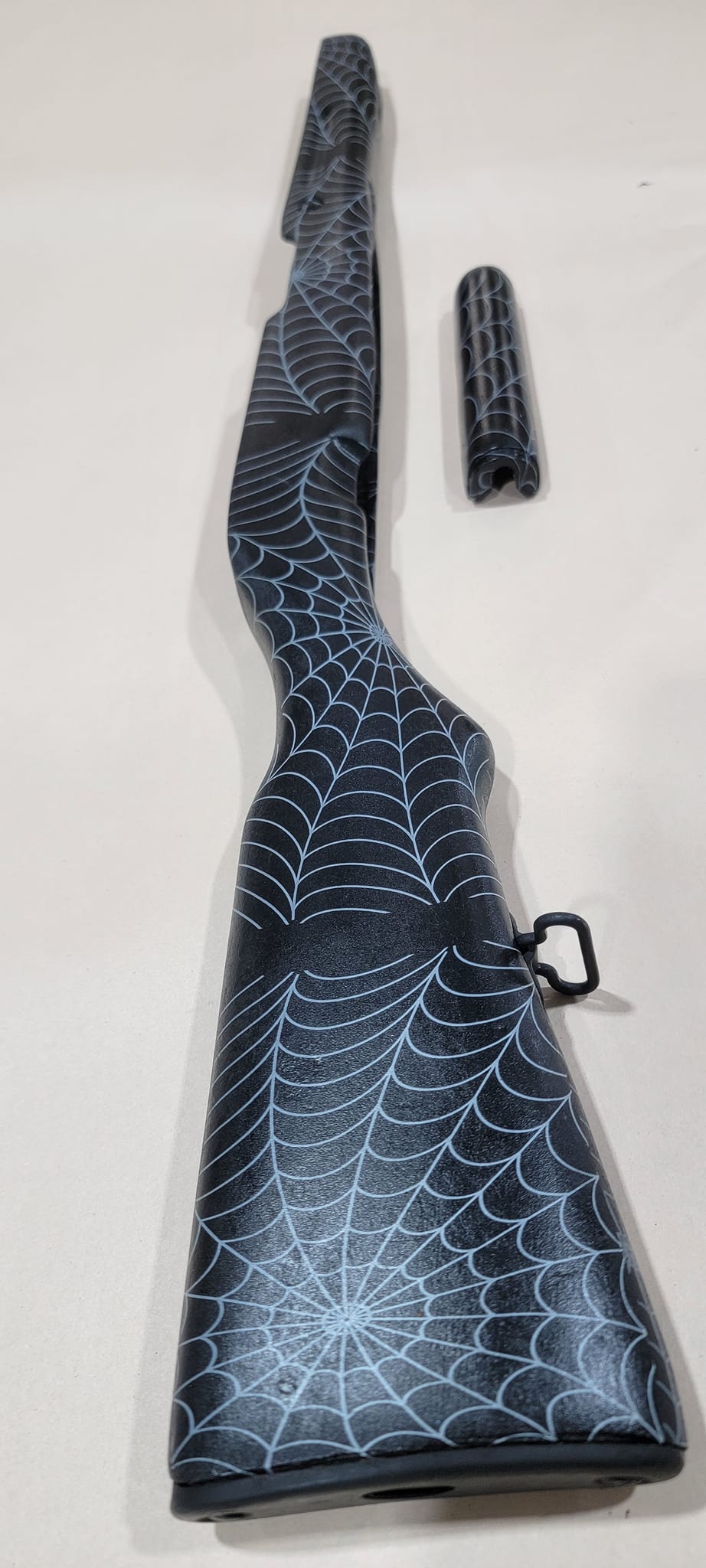
Patterns.
Woodgrain.
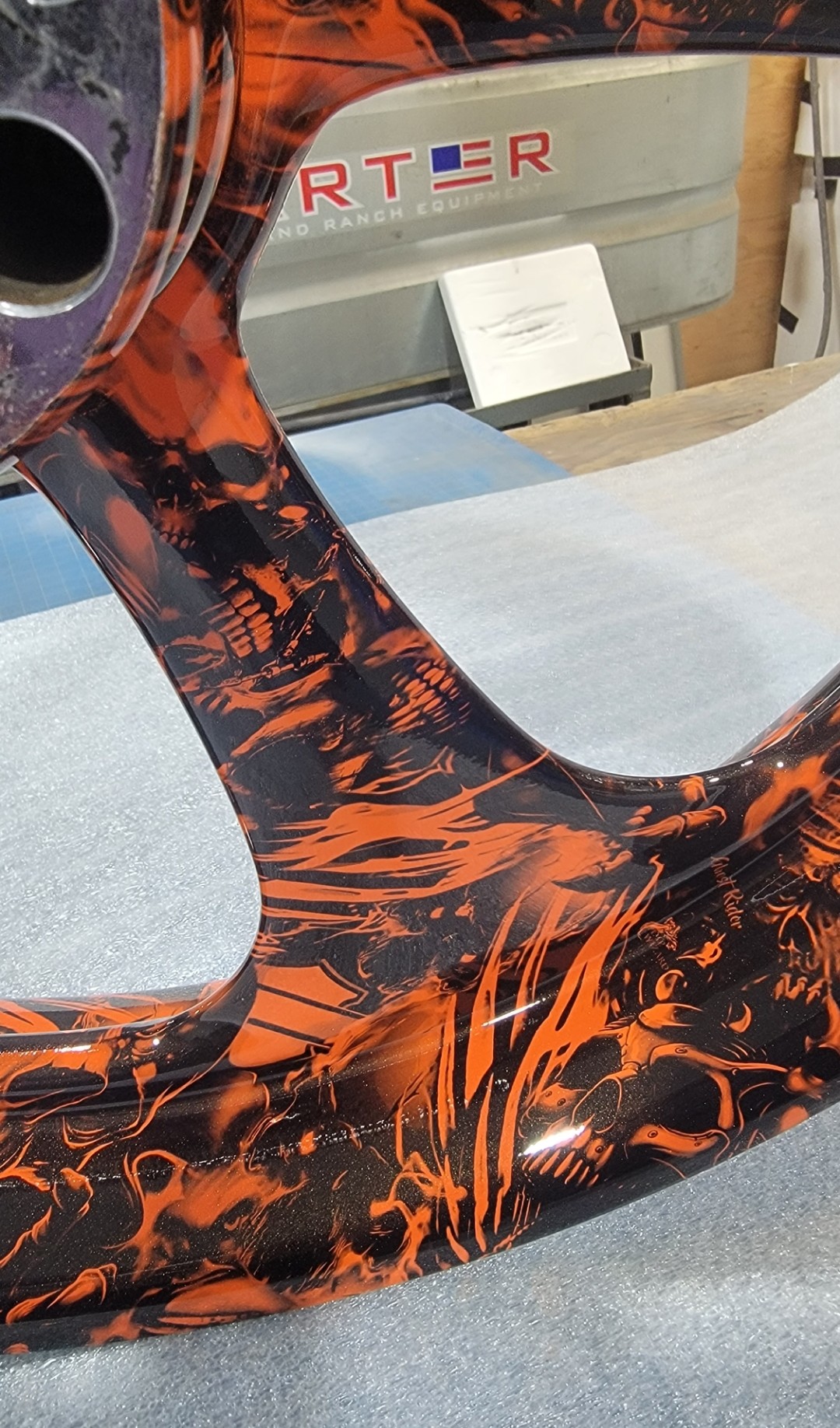
Flames.
You just follow a simple process (I'll explain it in a minute), and that pattern goes perfectly onto your item.
Most people get it right by their second or third try.
It's not hard.
The results look amazing.
And unlike paying a shop $500 to coat your rifle, when you do it yourself, you can coat your rifle, your scope, your hard hat, your tools...
For less than what the shop charges for ONE item.
What Can You Actually Coat?
Here's the fun part.
Anything hard that you can put in water.
I'm not talking about "just car parts" or "only guns."
I mean ANYTHING.
Entire guns — stock to barrel, not just pieces
Compound bows — get that perfect concealment camo for hunting
Motorcycle parts
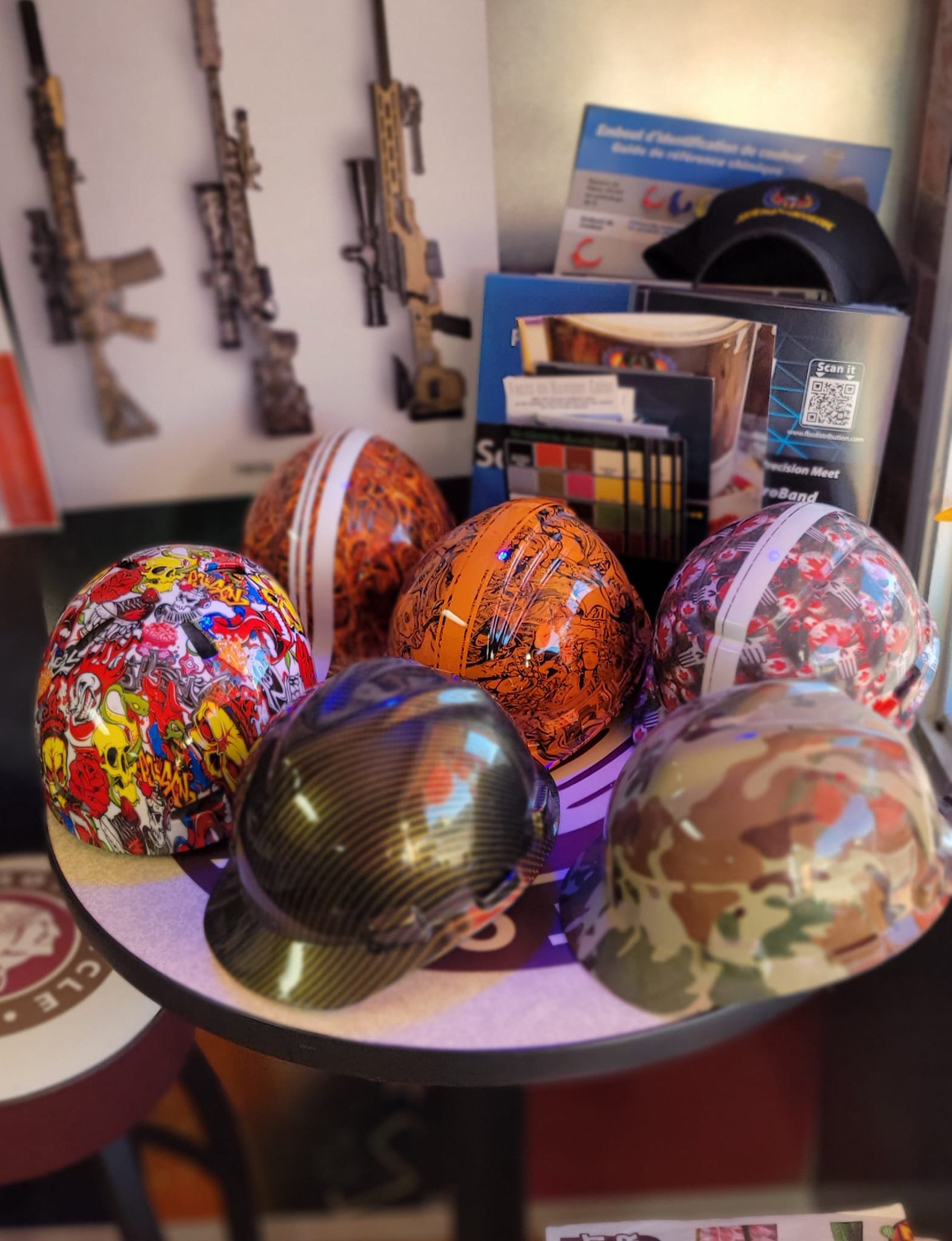
Hard hats (your whole crew could match)
Ballistic helmets for military and tactical use
Yeti cups
Phone cases
Gaming controllers
Car interior trim — luxurious woodgrain or carbon fiber
Aviation and auto interior components — marble, woodgrain, stainless steel looks
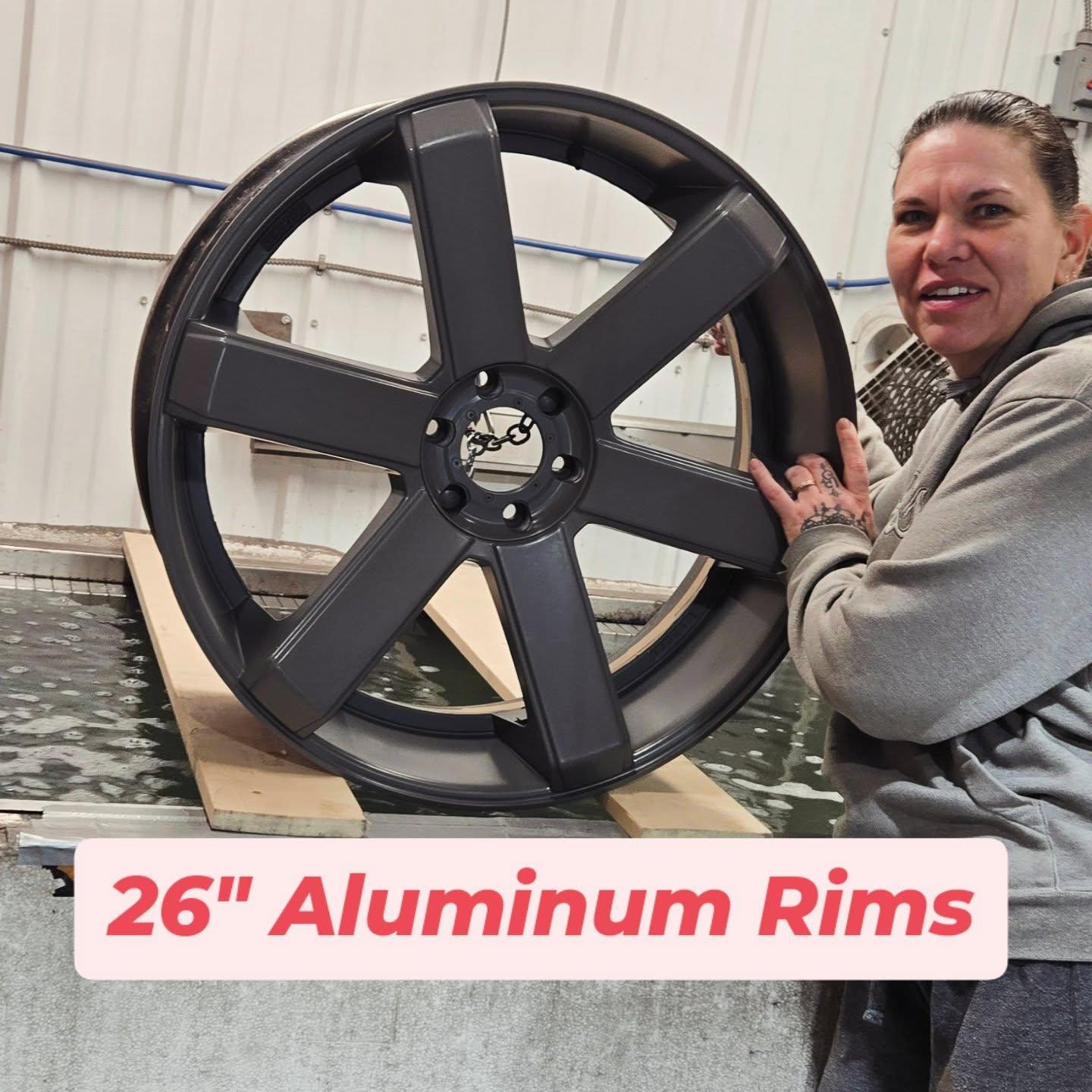
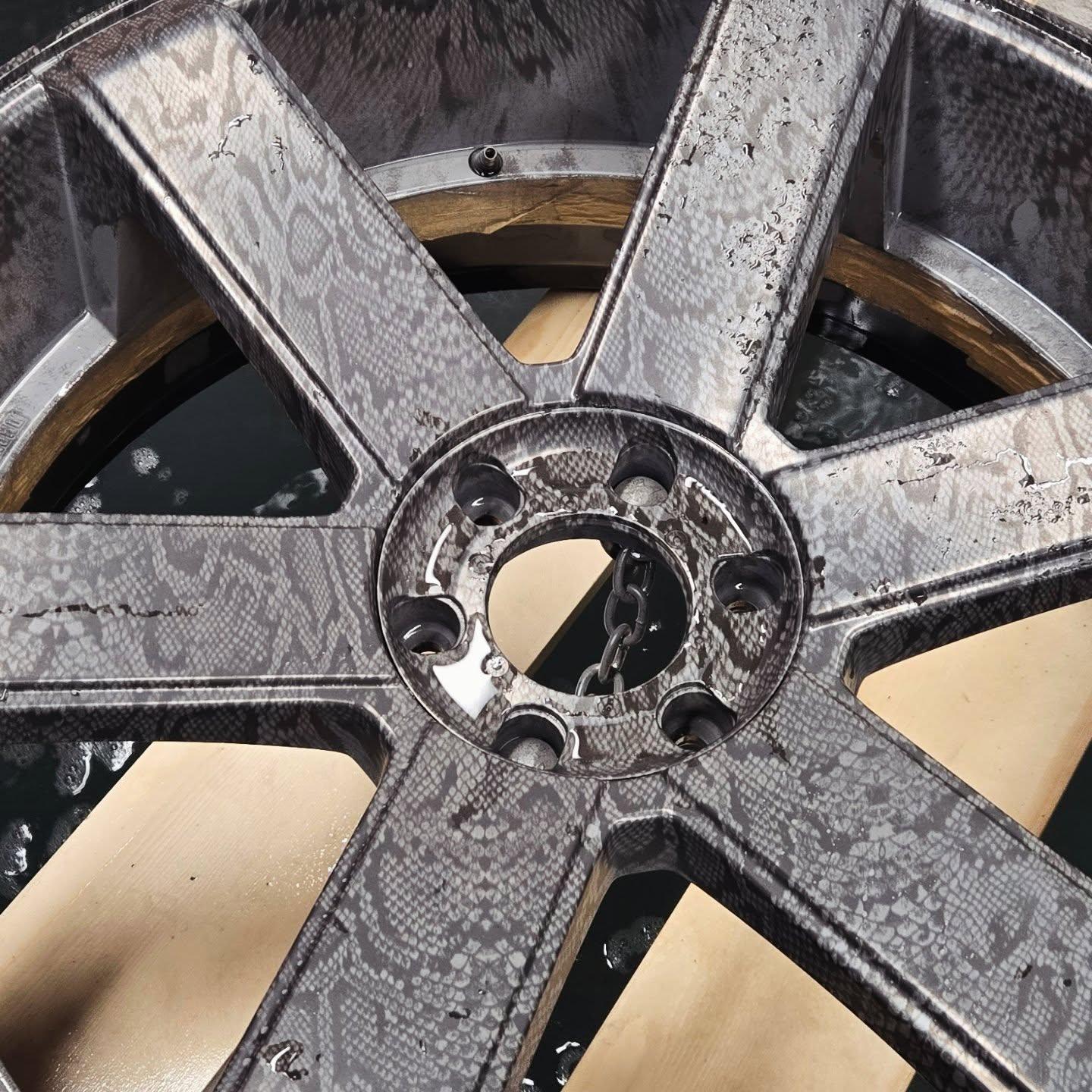
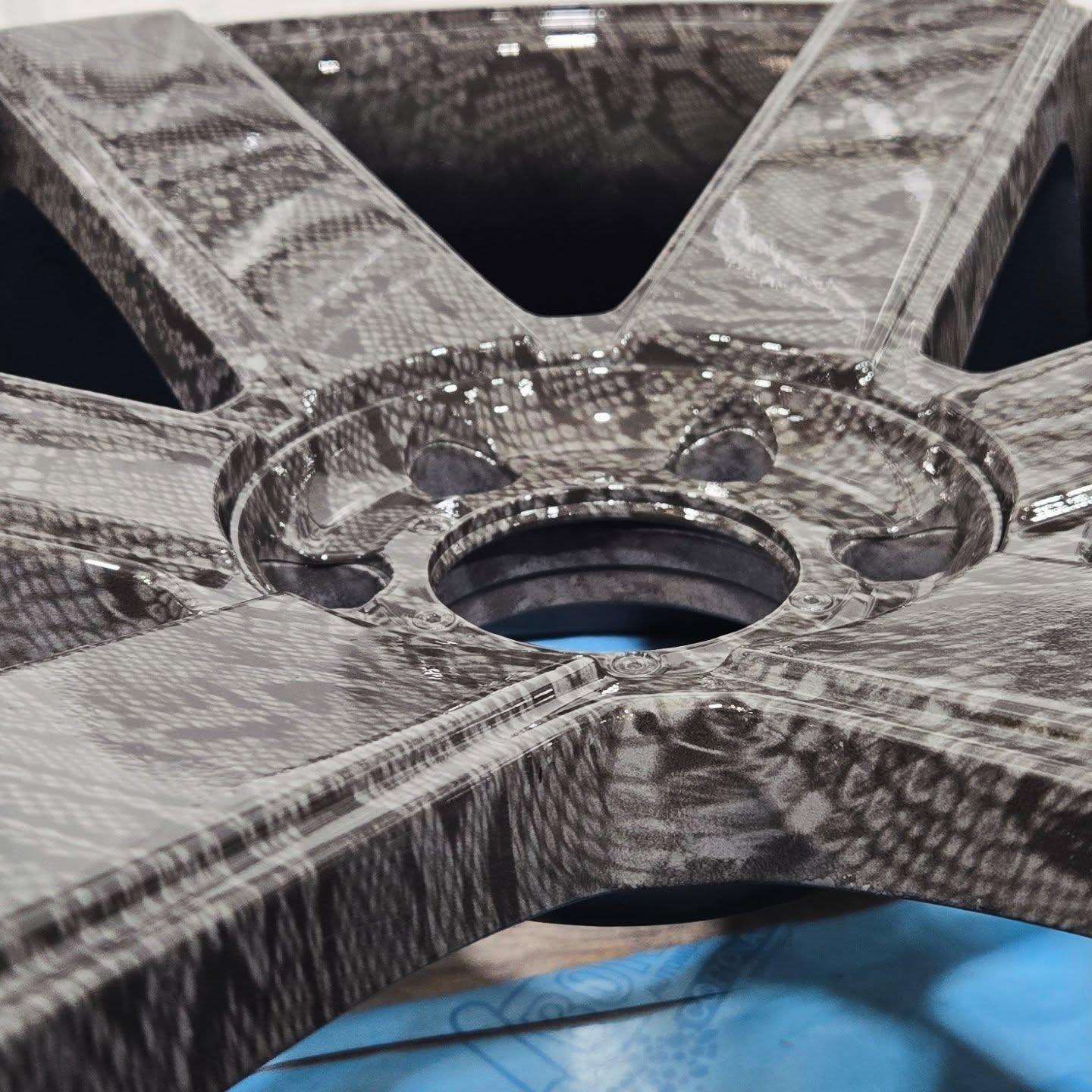
Wheel rims
Tools and toolboxes
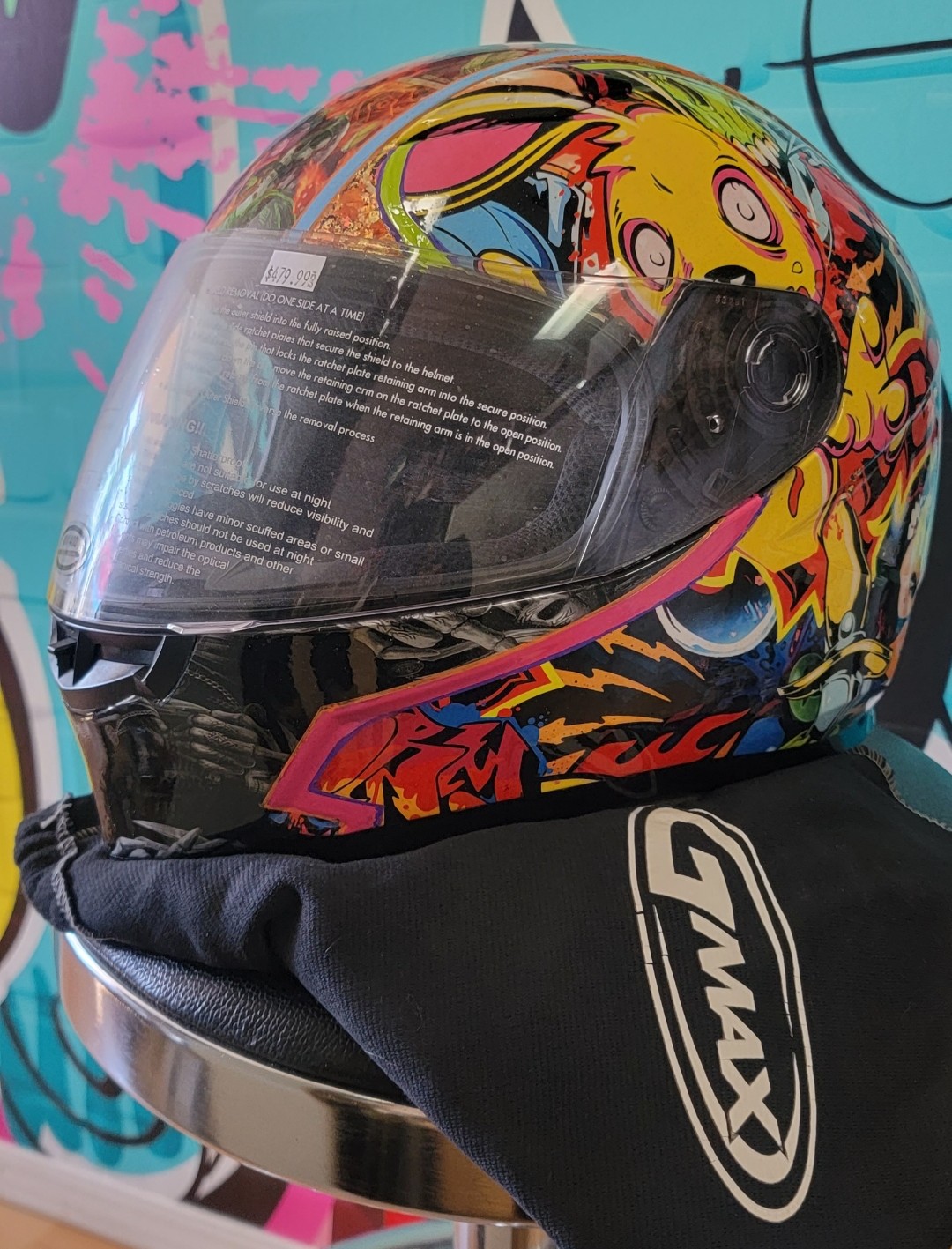
Helmets (motorcycle, bicycle, sports)
Eyewear frames — wraps perfectly around curves
Medical equipment — warm woodgrain accents for hospital gear
Sports team equipment
Smart home devices and electronics
Picture frames
Architectural trim and plastic components
Any hard surface you can paint and dip in water
We have customers coating their entire rifle — not just the stock, the WHOLE gun end to end.
A contractor dips all his crew's hard hats in matching patterns.
A motorcycle guy did every visible part on his bike in carbon fiber.
Hunters coat their compound bows in Kryptek, KUIU, and Badlands camo.
The only limit is what you can think of (and what fits in your dipping container).
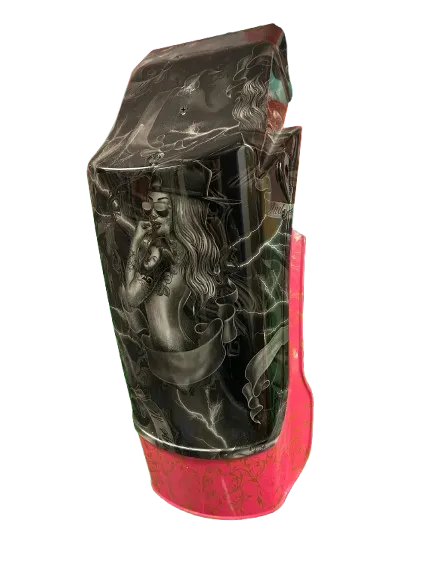
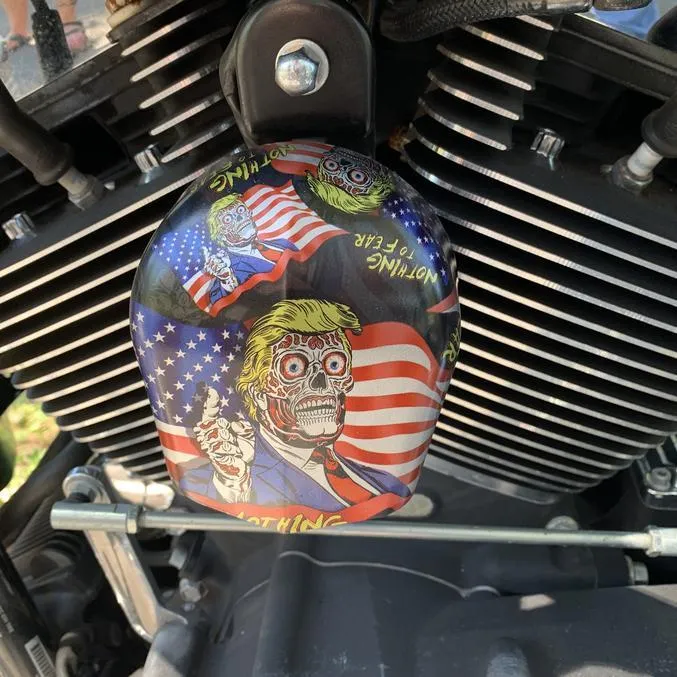
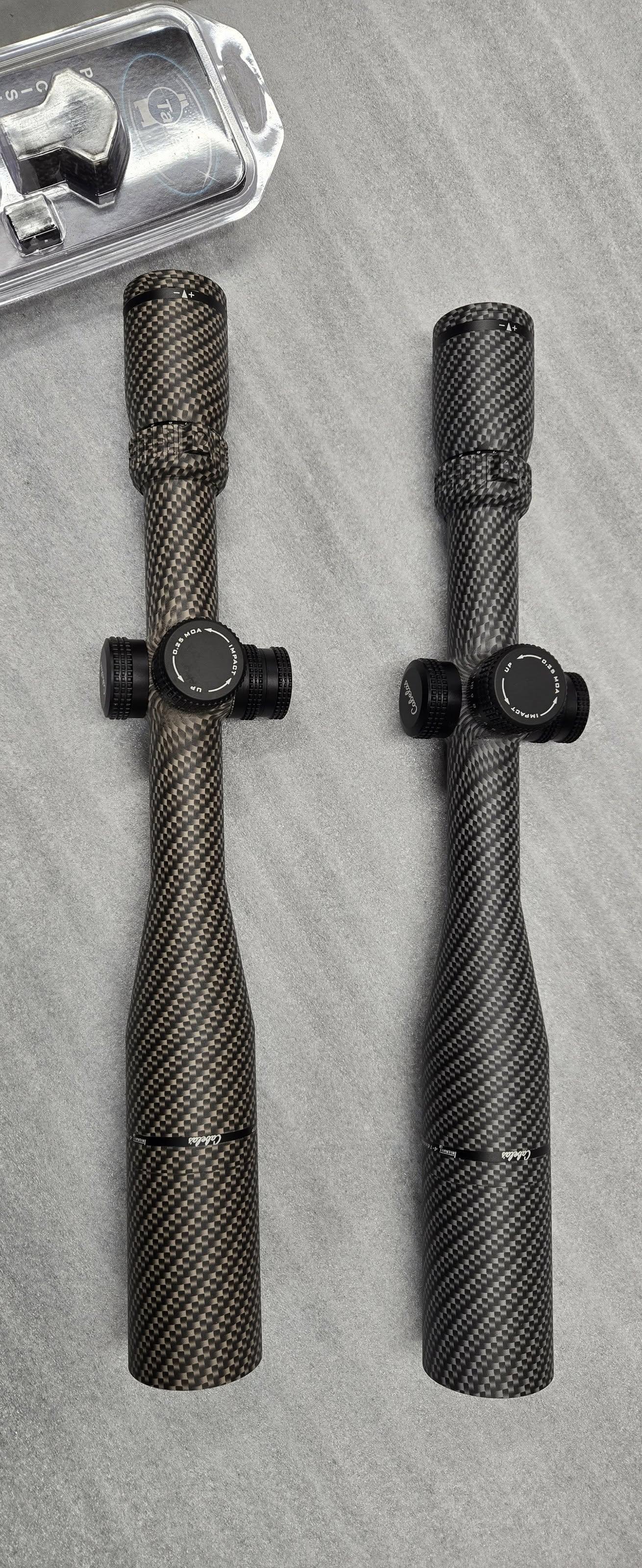
So How Does This Work?
It's simple.
You heat water in a container to about 80-90°F (like a warm bath).
You float a sheet of film on the water — this film has your pattern on it.
You spray the film with activator (comes in your kit).
This makes the ink ready to transfer.
Then you slowly dip your item through the film.
As you do, the pattern wraps around every curve, every angle, every detail perfectly.
Pull it out.
Rinse it off.
Let it dry.
Put on the clear coat from your kit.
Done.
The pattern is now stuck to your item forever.
You don't need a spray booth.
You don't need expensive air compressors.
You don't need pro training.
You need:
A container big enough for your item (a storage tote works great)
A way to heat water (run your hot water tap or a cheap aquarium heater works)
Your kit from BadAss Custom Coatings
The item you want to make look amazing
That's it.
The first time might take 30 minutes as you learn.
By your third item, you'll be fast and getting perfect results.
Why BadAss Custom Coatings? (And Why You Shouldn't Buy Cheap Kits)
Here's the thing: quality matters a LOT.
Cheap activator doesn't stick right.
Cheap film has dull colors.
Cheap stuff leads to fails and wasted time.
BadAss Custom Coatings has been doing this for over 25 years.
They're not some sketchy Amazon seller shipping junk from overseas.
They're not hobbyists who started last year.
They're the real deal.
Based in Cochrane, Alberta, Canada.
A woman-owned business (Debby Kutcher, the owner, is a mom of seven who built this company in a male-dominated industry).
Their stuff is pro-grade.
In fact, it's the SAME stuff Gun schools use to teach students.
When police officers want to customize their personal guns, they use BadAss products.
When movie prop departments need real-looking custom finishes, they use suppliers like BadAss.
When military suppliers need concealment patterns on ballistic helmets, they trust this process.
This isn't hobby stuff.
This is pro equipment that gives pro results.
And when you buy direct from them (not through Amazon), you get:
Better customer service and real support
Their full range of specialty items
Bundle deals Amazon doesn't allow
You support a real business, not Amazon
What's In Your Kit?
When your kit shows up, here's what's inside:
16 ounce can of base coat — Professional-grade base that prepares your surface for perfect adhesion.
16 ounce can of activator — This pro-grade spray makes the film's ink transfer perfectly. It's made to work with the film for great results every time.
16 ounce can of clear coat — To seal and protect your work. This makes sure you get that permanent bond that needs a sandblaster to remove.
1 square meter of film — Your choice of pattern. Carbon fiber. Camo (lots of real-looking styles like Kryptek, KUIU, Badlands, Next Camo). Woodgrain. Flames. Skulls. Geometric designs. Marble. Stainless steel. And more. You pick what you want when you order.
1 respirator mask — For safe application when spraying.
1 pair of gloves — Professional gloves to protect your hands during the process.
1 Scotch-Brite scuff pad — For proper surface preparation before coating.
Detailed instructions — Clear, step-by-step directions that walk you through everything. These are the same instructions Gun schools use.
The film is labeled and easy to use.
The activator works perfectly with the film.
This is a complete system that works together perfectly.
"What If I Mess It Up?"
Fair question.
Here's the truth: like anything new, there's a small learning curve.
Your first try might not be perfect.
You might use too much activator, or dip too fast, or not have the water at the right temp.
That's normal.
That's expected.
That's part of learning.
Most people get it right by their second or third dip.
The instructions help you avoid mistakes.
The process is forgiving.
And here's the thing: even if you use some film practicing, you're still spending way less than what a shop charges for one item.
You can order more film when you need it.
Plus, think about it: Gun schools teach complete beginners to do this.
If they can teach someone who's never seen this film before to get pro results...
You can absolutely do this.
The instructions are clear.
The process is simple.
The materials are pro-grade and made to work together.
You're not figuring this out alone.
You're following a proven system that thousands of people have used.
The Patterns That Make People Stop And Stare
Let's talk about what you can create.
When you order, you pick from patterns like:
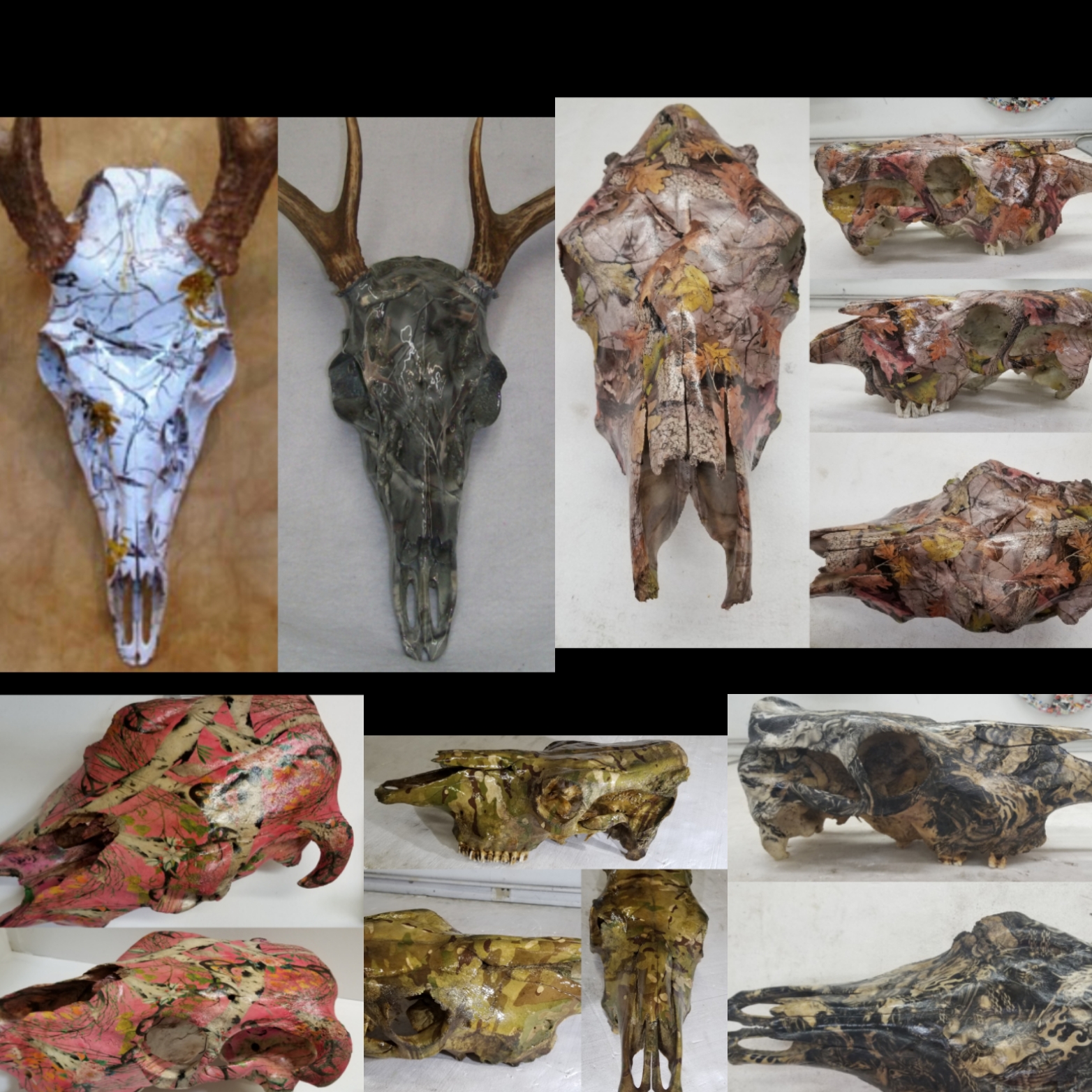
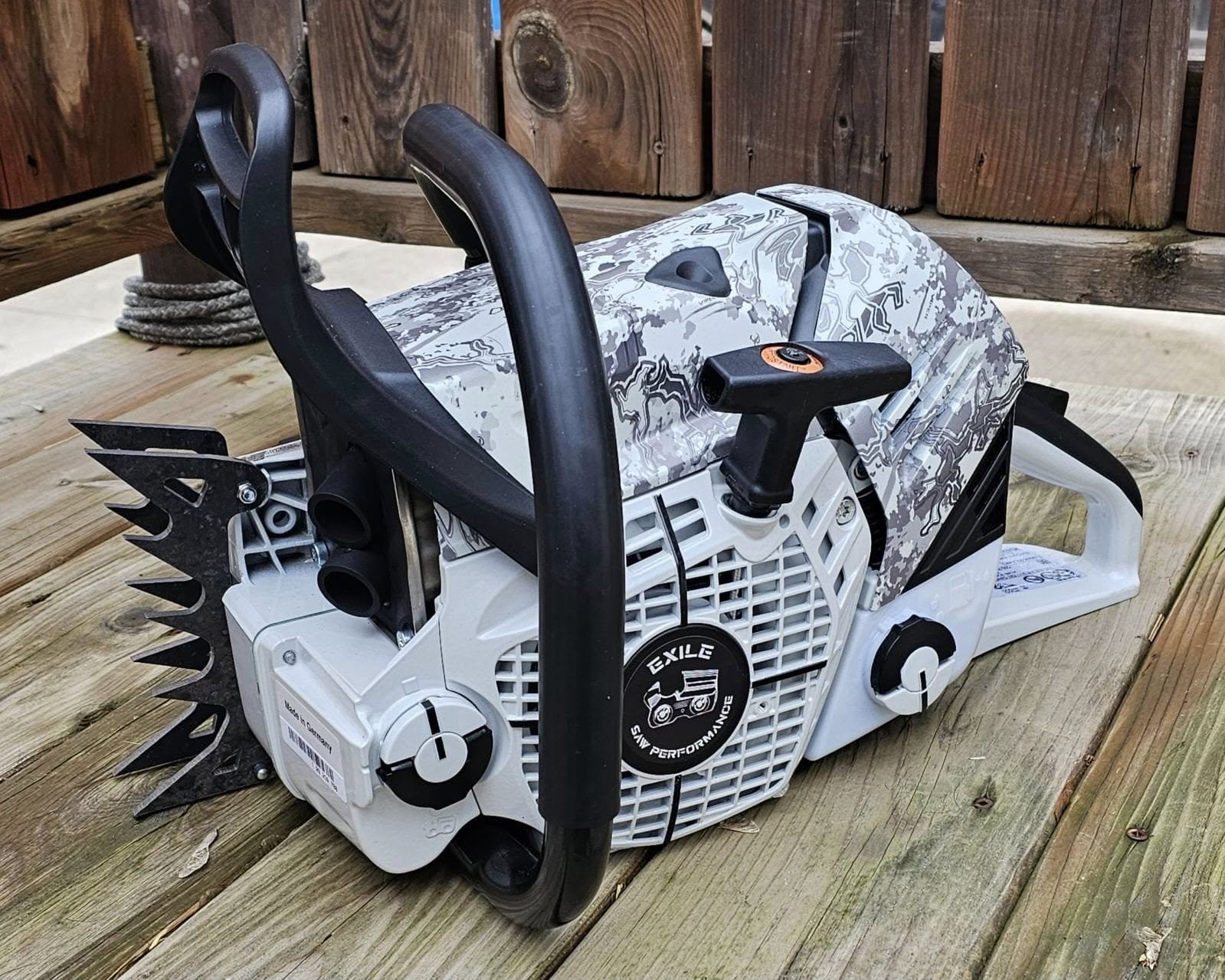
Camo Kits — Multiple real-looking camo patterns perfect for hunting rifles, compound bows, outdoor gear, tactical stuff. Kryptek, KUIU, Badlands Approach, Next Camo, and more. These aren't cartoon prints. They're photo-real patterns that look pro and provide actual concealment.
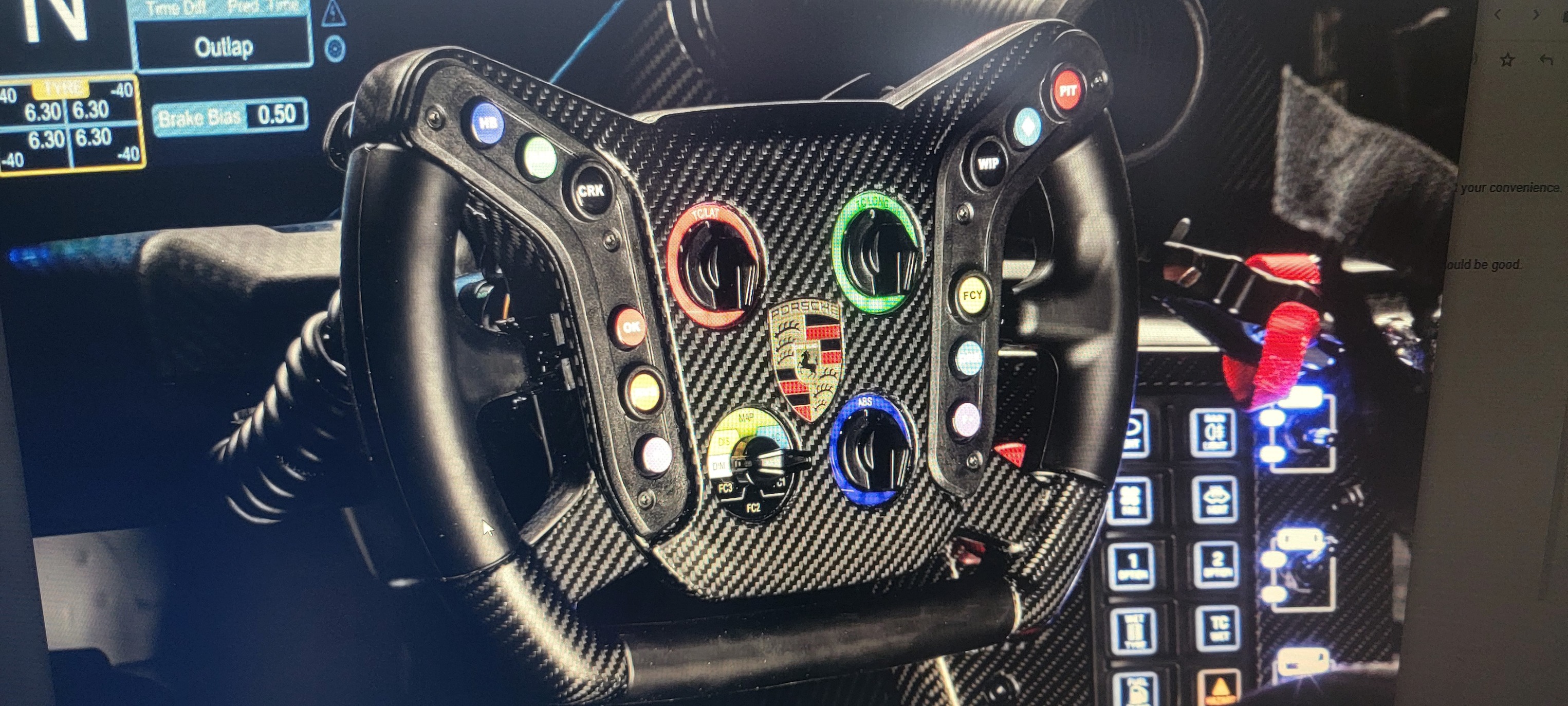
Carbon Fiber Kits — That high-tech, race car look. Perfect for motorcycle parts, car trim, aviation interiors, modern guns, anything you want to look premium.
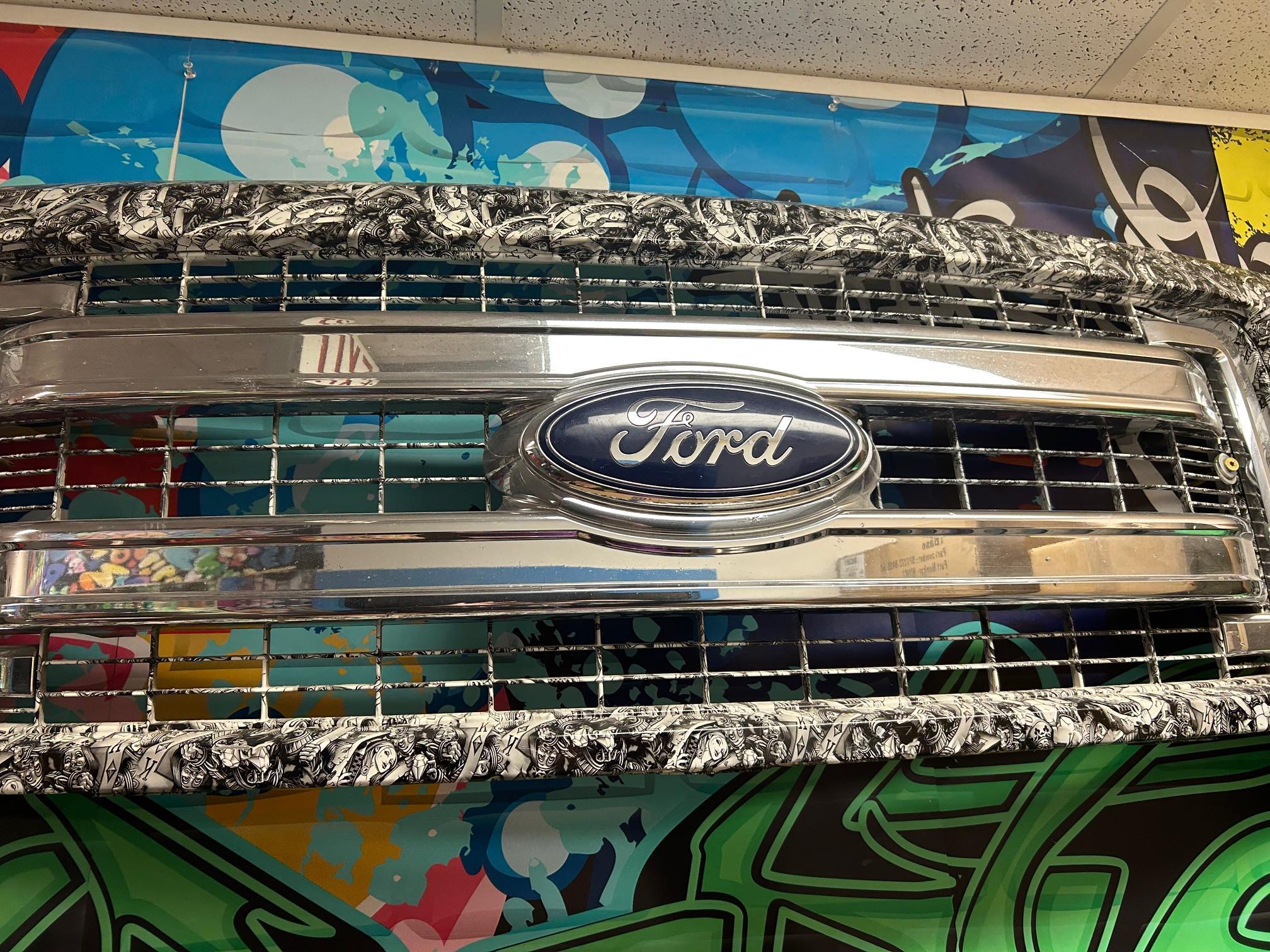
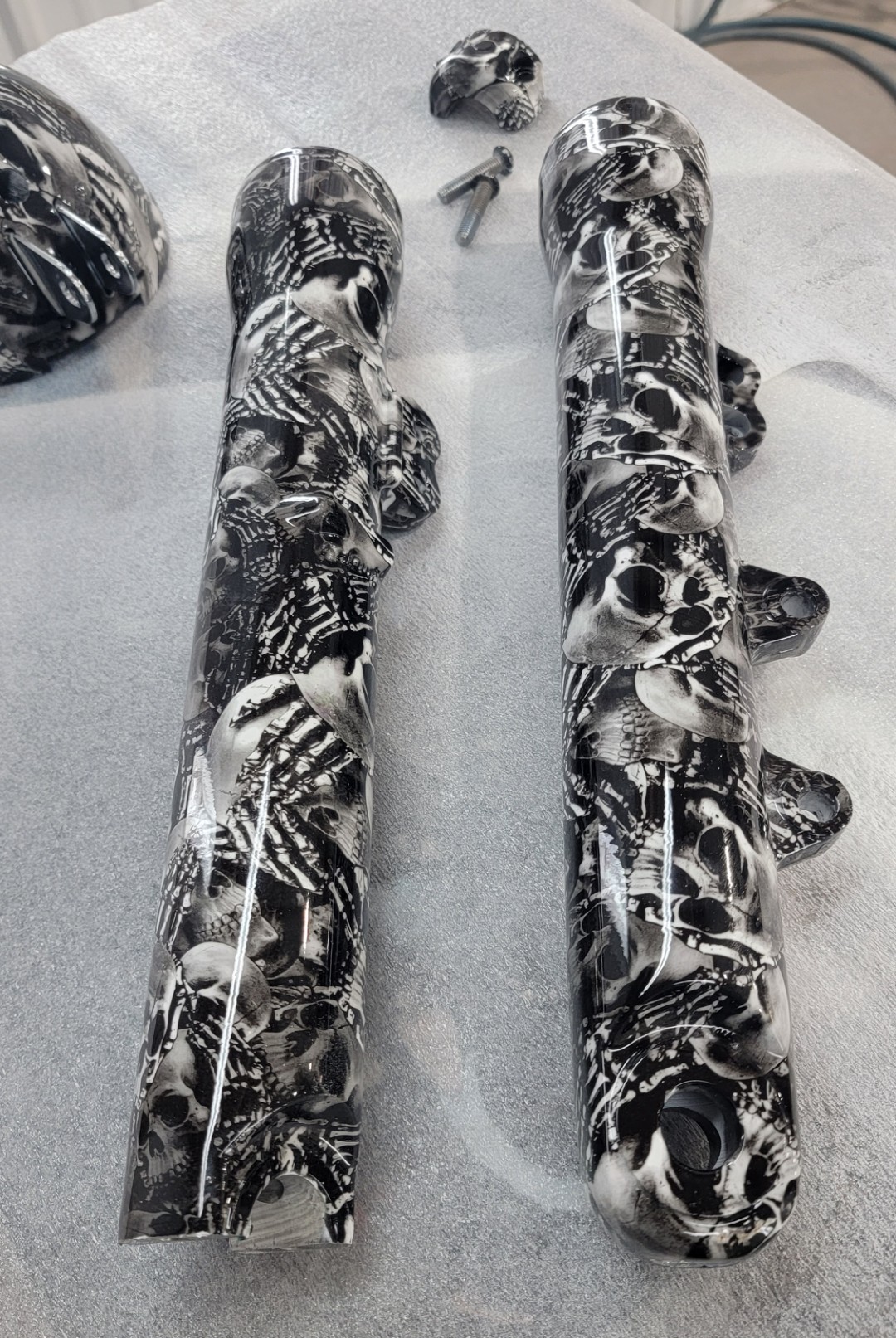
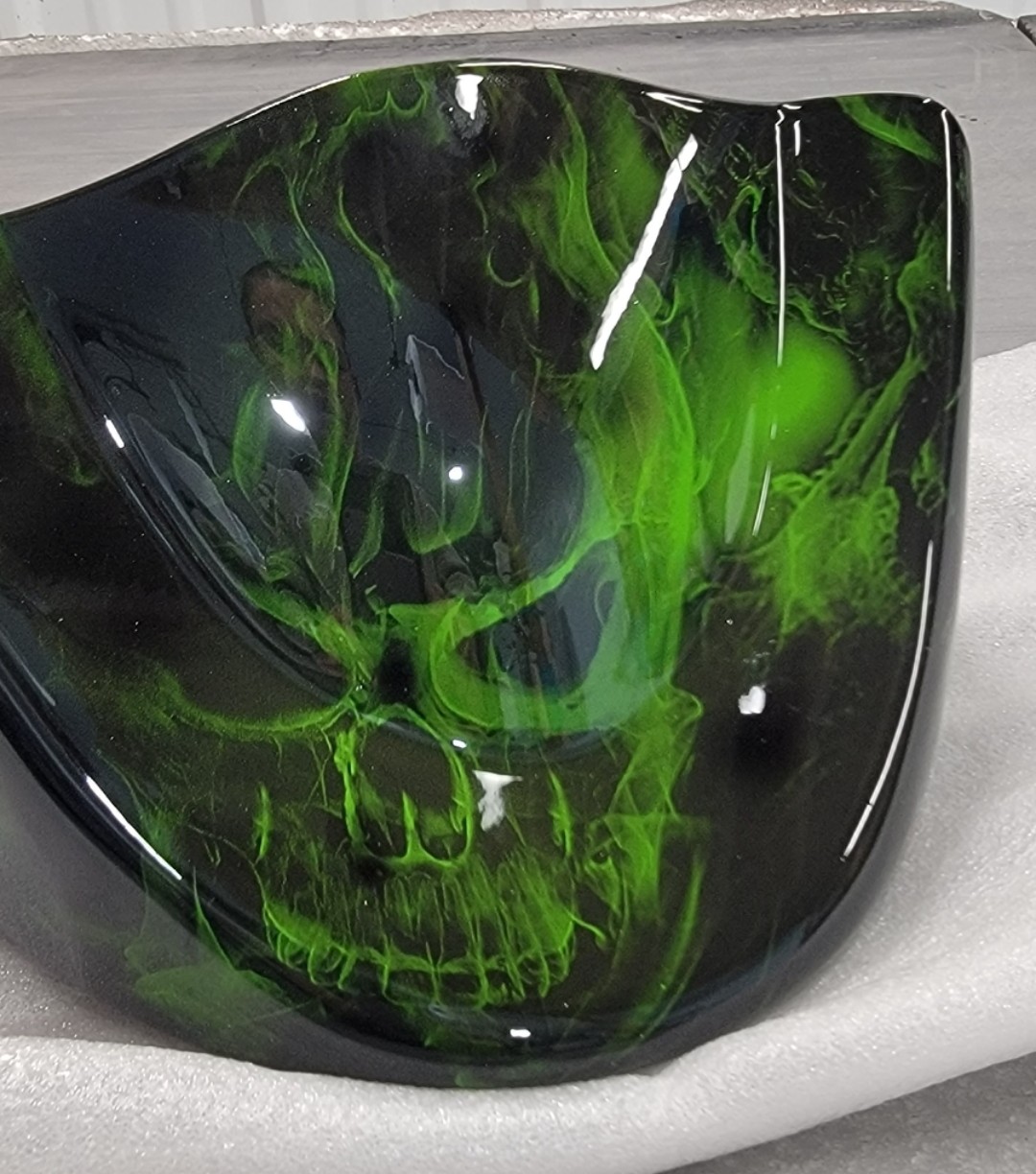
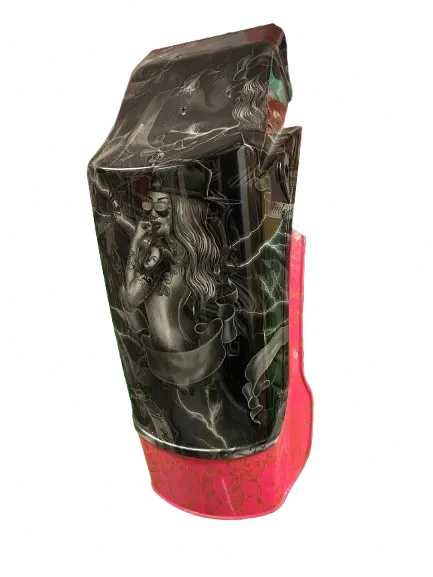
Skull Patterns — Detailed art that makes a statement. Popular for custom builds, show pieces, gear that gets attention.
Flame Kits — Classic hot rod style. Great for motorcycle parts, car accessories, anything that needs that aggressive look.
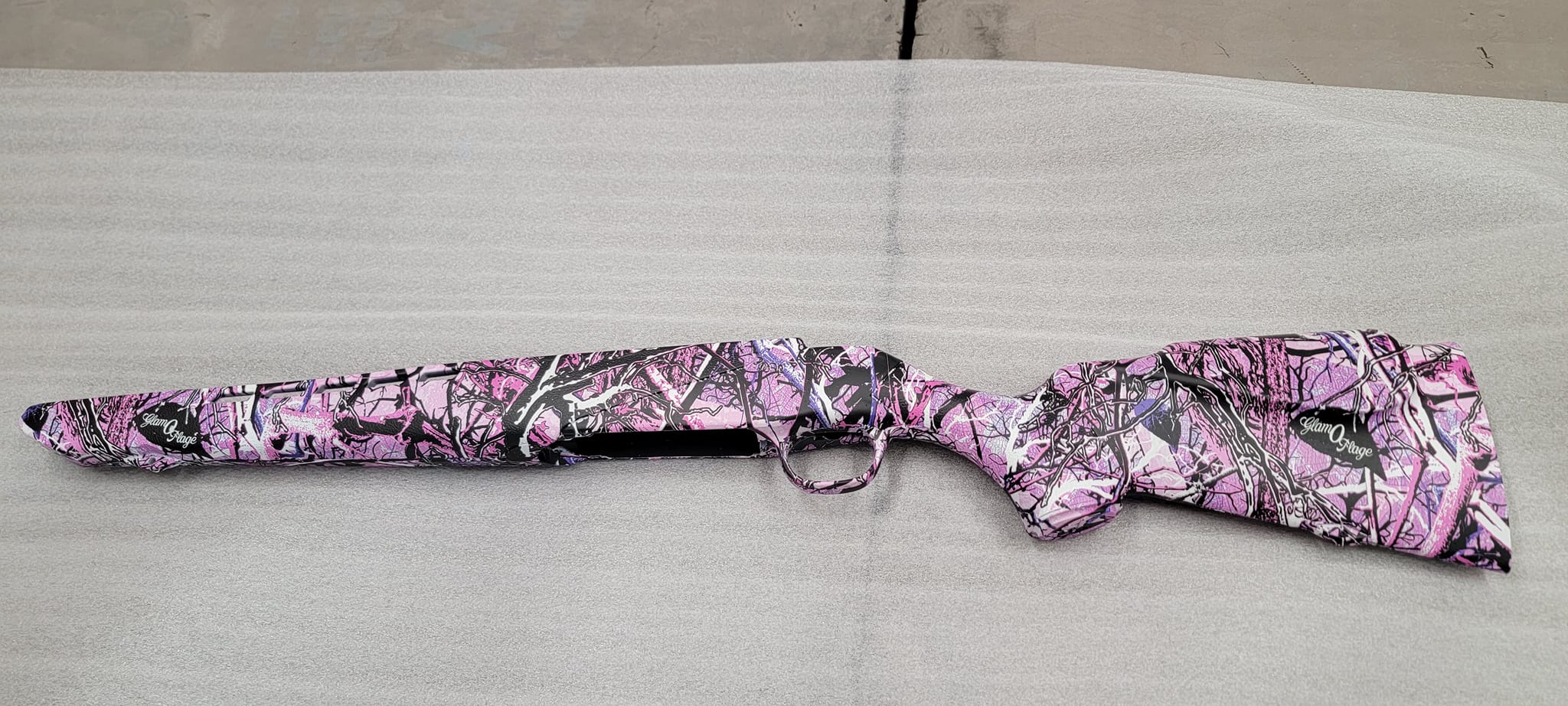
Woodgrain Patterns — Real-looking wood textures. Perfect for rifle stocks, aviation cabin restoration, architectural trim, medical equipment accents, giving modern guns a classic look, or creating cool contrasts.
Marble & Stainless Steel — Luxurious finishes for aviation interiors, architectural components, car interiors. Elegant and sophisticated.
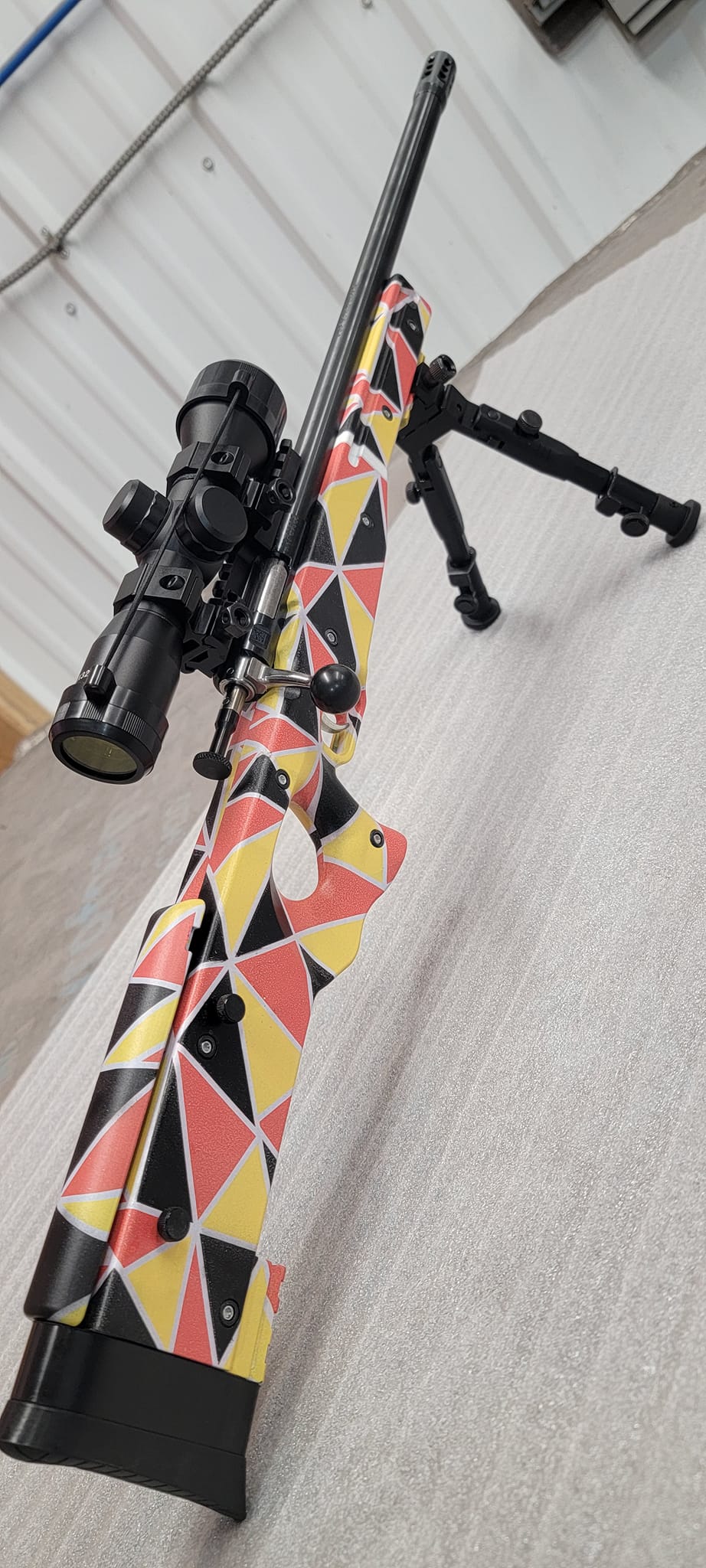
Geometric & Abstract Designs — Modern patterns for current builds. Stand out from the usual camo and carbon fiber.
Specialty Films — Including glow-in-the-dark, metallic finishes, and other unique options for truly one-of-a-kind projects.
Each pattern is printed on premium film made to give vibrant, detailed transfers.
The colors stay bold.
The details stay sharp.
And remember: this coating is permanent. It won't fade in the sun.
It won't chip off with use.
You won't need touch-ups in six months.
If you want it off, you need a sandblaster.
That's how tough this is.
What Happens After Your First Project?
Picture this.
You just pulled your item out of the water.
The pattern transferred perfectly — every detail, every color, exactly right.
You let it dry.
Put on the clear coat.
Let it cure.
You step back and look at what you made.
This is when everything clicks.
You feel that rush of pride.
"I did this. I made something custom that nobody else has."
You can't wait to show it off.
To your buddies at the range.
Your crew at work.
Your riding group.
Your family.
You start looking around at all your other gear thinking, "What else can I customize?"
That basic toolbox.
Those plain wheel rims.
Your backup rifle.
Your compound bow.
Your kid's sports helmet.
The trim in your truck.
Your gaming controller.
That plain eyewear case.
Suddenly you see possibilities everywhere.
And here's the best part: you have confidence now.
You know you can do this.
You proved it to yourself.
That second project goes even smoother.
By the third, you're moving fast and getting perfect results.
You're making pro-quality custom work.
You're saving hundreds or thousands compared to shop prices.
You're turning ordinary items into works of art.
This is what happens when you take action.
The Patterns That Make People Stop And Stare
Let's talk about what you can actually create.
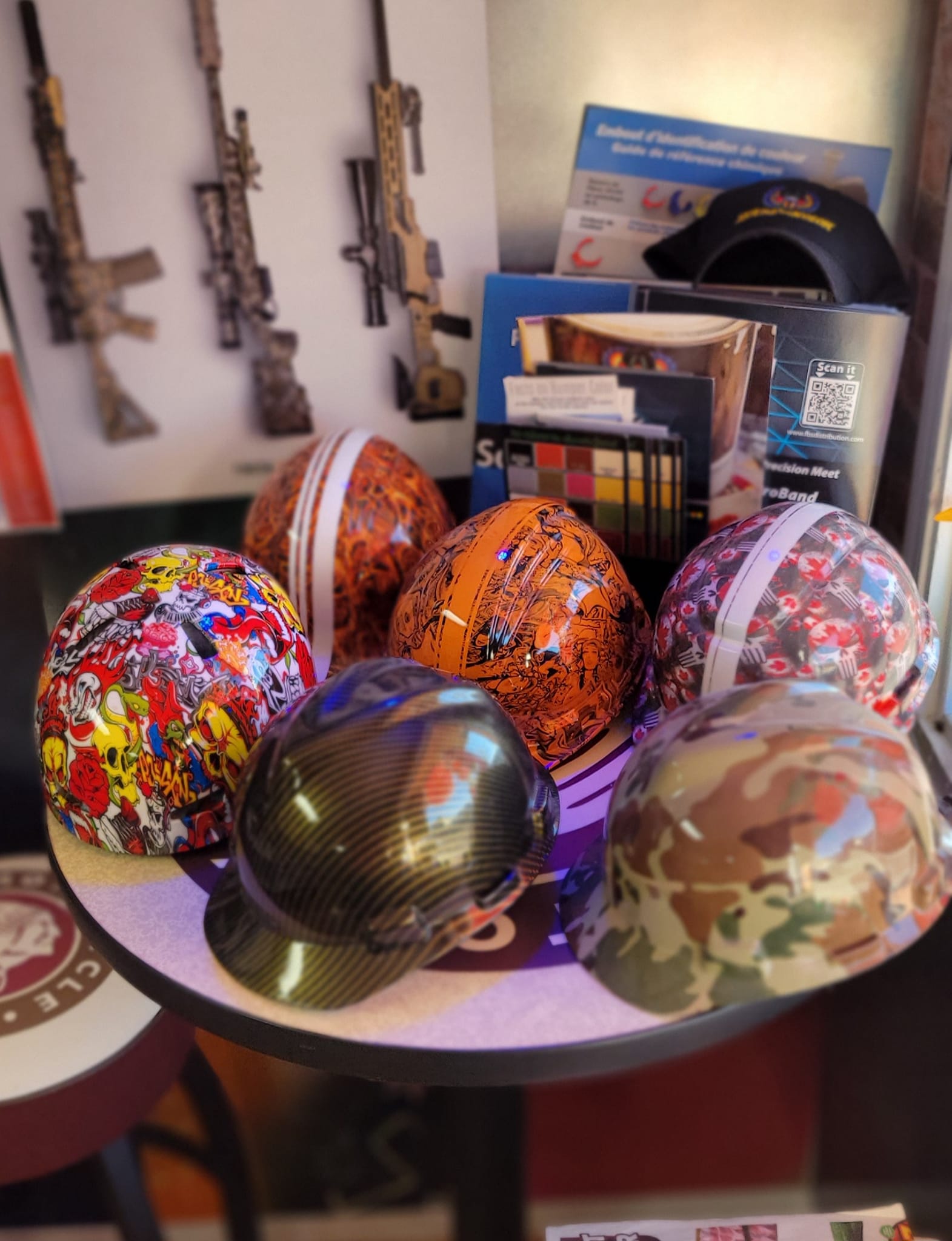
When you order your kit, you'll choose from pattern categories like:
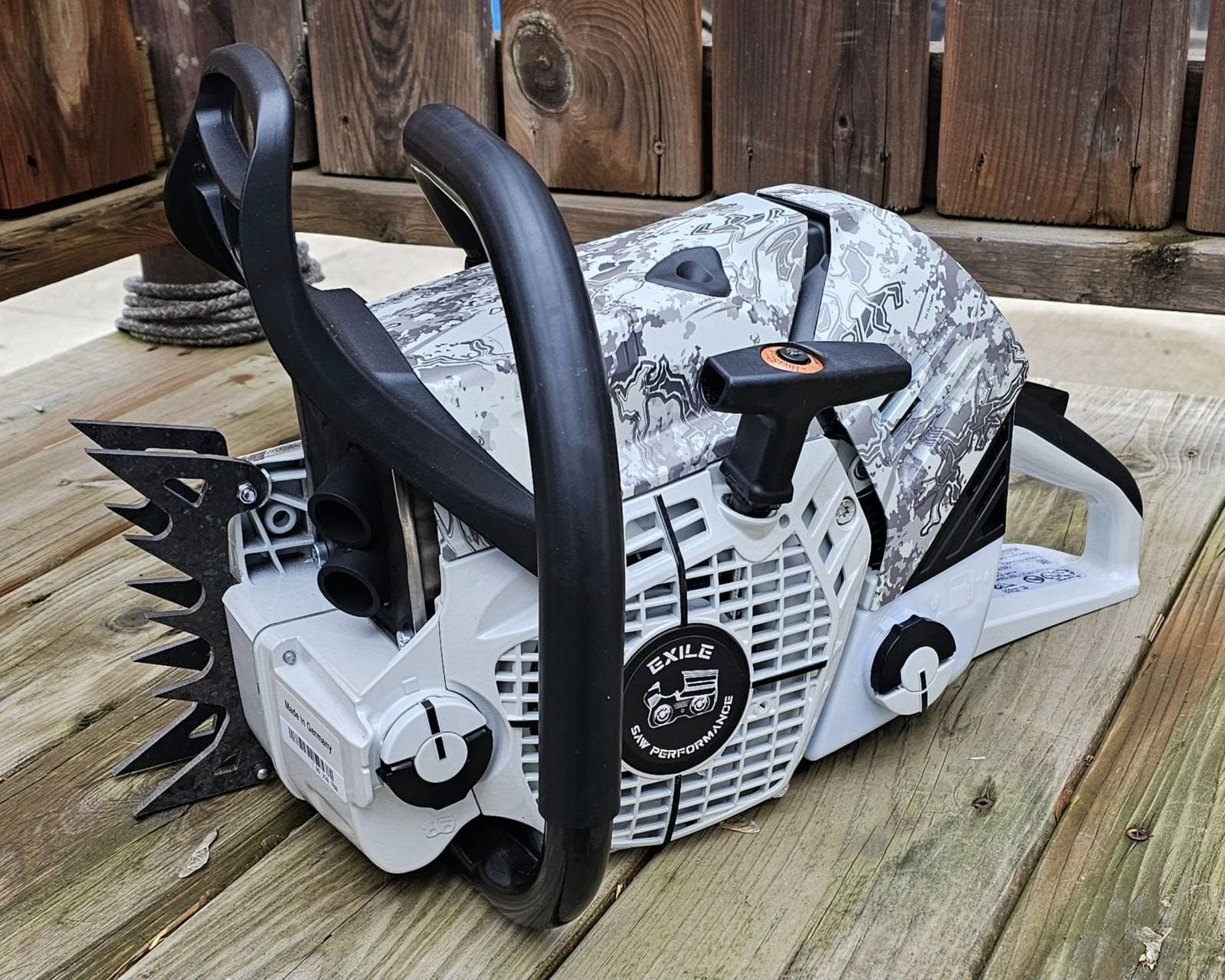
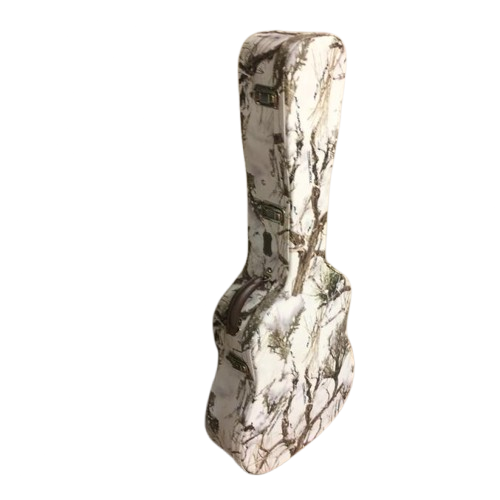
Camouflage Kits — Multiple realistic camo patterns perfect for hunting rifles, outdoor gear, tactical equipment.
These aren't cartoonish prints.
They're photorealistic patterns that look professionally applied.
Carbon Fiber Kits — That high-tech, exotic car look.
Perfect for motorcycle parts, automotive trim, modern firearms, anything you want to give that premium racing aesthetic.
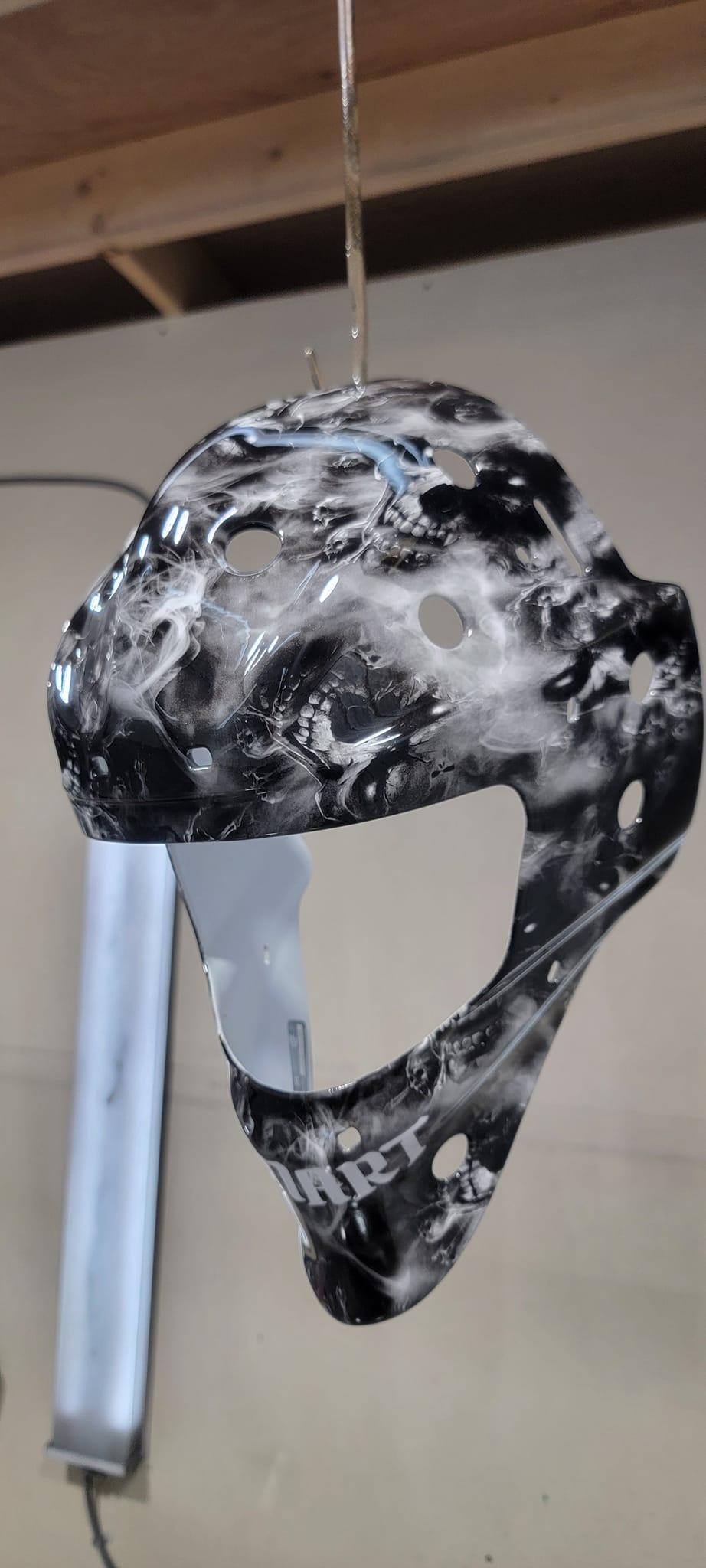
Skull Patterns — Detailed artwork that makes a statement.
Popular for custom builds, show pieces, gear that demands attention.
Flame Kits — Classic hot rod style.
Ideal for motorcycle parts, automotive accessories, anything that needs that aggressive custom look.
Woodgrain Patterns — Realistic wood textures.
Perfect for rifle stocks, giving modern firearms a classic aesthetic, or creating unique contrasts.
Geometric & Abstract Designs — Modern patterns for contemporary builds.
Stand out from the typical camo and carbon fiber crowd.
Specialty Films — Including glow-in-the-dark, metallic finishes, and other unique options for truly one-of-a-kind projects.
Each pattern is printed on premium film designed to produce vibrant, detailed transfers.
The colors stay bold.
The details stay sharp.
And remember: this coating is permanent.
You're not going to see it fade in the sun.
You're not going to watch it chip off with use.
You're not going to need touch-ups in six months.
If you want it off, you'll need a sandblaster. That's how durable this is.
What Happens After You Complete Your First Project?
Picture this.
You've just pulled your item out of the water.
The pattern has transferred perfectly — every detail, every color, exactly as it should be.
You let it dry.
You step back and look at what you've created.
This is the moment everything clicks.
You feel that surge of pride.
"I did this. I created something custom that nobody else has."
You can't wait to show it off.
To your buddies at the range.
Your crew at work.
Your riding group.
Your family.
You start looking around at all your other gear thinking, "What else can I customize?"
That basic toolbox.
Those plain wheel rims.
Your backup rifle.
Your kid's helmet.
The trim pieces in your truck.
Suddenly you see possibilities everywhere.
And here's the best part: you have the confidence now.
You know you can do this.
You've proven it to yourself.
That second project goes even smoother.
By the third, you're moving fast and producing flawless results.
You're creating professional-quality custom work.
You're saving hundreds or thousands of dollars compared to shop prices.
You're turning ordinary items into works of art.
Maybe people ask you to do their stuff and you actually start to make money.
This is the transformation that happens when you take action.
What This Costs (And Why It Pays For Itself Right Away)
Let's talk money.
If you took a rifle to a pro shop, you'd pay anywhere from $300 to $800+ depending on how complex it is and what the shop charges.
Want to do multiple items?
Multiply that cost.
Motorcycle parts?
Easily $500-1000.
Custom hard hats for your crew?
$50-100 each minimum.
Compound bow camo?
$200-400.
Aviation interior restoration?
Thousands.
One pro coating job costs more than buying your own complete kit.
Your kit from BadAss Custom Coatings is $119.99.
With that kit, you get 1 square meter of premium film — enough to coat what that square meter will cover.
Depending on the size of your items, that could be a rifle stock, a compound bow, a hard hat, a helmet, several smaller items like cups or phone cases.
Let's say you coat your rifle.
You already saved $200-700 compared to a shop.
Then you coat your scope.
Your mags.
Your hard hat.
Your Yeti cup.
Your bow.
And when you need more film for future projects, you just reorder film and activator — which costs way less than paying a shop for even one item.
Plus, when you order direct from BadAss Custom Coatings (instead of through Amazon), you get:
Better customer service and direct support from people who know the product
Their full range of specialty films and supplies
Direct communication if you have questions
The ability to bundle products and make custom orders
No Amazon packaging limits
You're investing in a skill that will save (or make) you money for years to come.
What You Need Beyond The Kit (And Why It's Less Than You Think)
Full honesty: the kit has everything for the coating, but you need a few basic things:
A Container For Dipping
A large storage tote from any hardware store works great. $20-30. You probably already have something that'll work.
A Way To Heat Water
A simple aquarium heater (from any pet store) keeps water at 80-90°F. $15-25. Or use an immersion heater. You buy this once and use it forever.
A Thermometer
To check water temp. $5-10. You might already have one.
That's it.
You're looking at $40-65 in basic equipment you'll use for hundreds of projects over time.
Compare that to $500+ for one pro coating job.
The math is heavily in your favor.
And remember: you don't need a spray booth, expensive compressors, pro workspace, or special training.
You can do this in your garage.
Your basement.
Your driveway on a nice day.
The BadAss Guarantee: We Stand Behind Our Products 100%
Here's what you need to know about ordering from BadAss Custom Coatings™:
If your kit arrives damaged, we'll replace it.
No questions, no hassle.
30-day satisfaction guarantee.
If you're not happy with the product quality, we'll make it right or refund your money.
We stand behind our product quality 100%.
These are professional-grade materials.
The same materials used in Gun Smithing academies.
The same materials police officers trust for their personal firearms.
All sales are final on opened kits (because once you've used the activator and film, we can't resell it), but if there's a problem with the product itself, we'll take care of you.
We've been in this business for over 25 years.
Our reputation matters more than any single sale.
When you order from BadAss Custom Coatings™, you're dealing with real people who care about your results.
Here's Exactly What Happens When You Order
Step 1: Click the button below to choose your film pattern
Step 2: You'll see our complete range of kits by pattern type — Camo Kits, Carbon Fiber Kits, Skull Patterns, Flame Kits, Woodgrain, Marble & Stainless, Geometric Designs, and Specialty Films
Step 3: Select the kit that fits your project needs ($119.99 includes 1 square meter of premium film, base coat, activator, clear coat, respirator mask, gloves, scuff pad, and detailed instructions)
Step 4: Browse other products on the same page — additional film patterns, extra activator, specialty items, everything you might want for future projects
Step 5: Add to cart and complete your secure checkout
Step 6: Your kit ships to you in Canada or the United States (shipping costs vary by speed and location)
Step 7: Kit arrives at your door with everything you need to start making pro custom coatings
Step 8: Follow the clear instructions, complete your first project, and feel that moment of pride when you see the results.
It's that simple.
No complicated process.
No hidden fees.
No surprises.
Just a straight path from "I want custom gear" to "I'm holding my custom gear in my hands."
Imagine What You're About To Create
Close your eyes for a second.
Picture yourself pulling that first piece out of the water.
The pattern wrapped perfectly around every curve.
The colors vibrant.
The detail sharp.
You're looking at something YOU made.
With your own hands.
In your own garage.
Not something you paid a shop $500 for.
Not something you waited weeks to get back.
Something you created.
This weekend.
And it looks INCREDIBLE.
That rifle?
Now it's got concealment camo that looks so real, people think you paid a gunsmith hundreds to do it.
That compound bow?
Wrapped in Kryptek that'll actually help you stay hidden in the field.
Those motorcycle parts?
Carbon fiber so convincing, people think you spent thousands upgrading.
Your hard hat?
Custom pattern that makes everyone on the crew ask where you got it done.
Your gaming controller?
One-of-a-kind design nobody else has.
And here's the thing that really hits you:
You can do this again.
Whenever you want.
For whatever you want.
That toolbox sitting in your garage?
Custom carbon fiber.
Done.
Your kid's sports helmet?
Team colors with a sick pattern.
Done.
Your truck's interior trim?
Luxurious woodgrain.
Done.
Every single piece of gear you own can go from ordinary to extraordinary.
And every single time, you're saving $300... $500... $800 compared to what shops charge.
The Value Is Almost Ridiculous When You Think About It
Let's get real about what $119.99 actually gets you:
The ability to customize EVERYTHING you own — not just one item, but every piece of gear you'll ever want to make look amazing.
A skill that lasts forever — once you learn this, you have it for life. You'll be the guy everyone comes to asking "can you dip this for me?"
Savings that add up to thousands — every time you coat something yourself instead of paying a shop, you pocket $300-800. Do this 3-4 times and you've saved more than most people make in a week.
The pride of creating something pro-quality — there's no feeling like showing off gear YOU customized and watching people's jaws drop.
Endless possibilities — firearms, compound bows, motorcycle parts, car interiors, aviation trim, sports equipment, medical gear, electronics, architectural components, eyewear... the sky is literally the limit.
This isn't like buying another tool that sits in your garage collecting dust.
This is an investment that pays you back every single time you use it.
This is a skill that makes you stand out.
This is the difference between looking at basic gear for the rest of your life... and walking into every room with custom pieces that make people stop and stare.
Here's What Makes This Opportunity So Special
For 25 years, this process was locked behind shop doors.
If you wanted custom hydrographic coating, you had to:
Find a shop that did it
Drop off your gear and wait
Pay $500-$800+ per item
Hope they did it right
Wait again to pick it up
But now?
You get the EXACT same pro-grade materials shops use.
You get the EXACT same process that creates $800 finishes.
You get the EXACT same results — permanent, beautiful, jaw-dropping custom coatings.
The only difference?
You do it yourself.
You save the money.
You keep the skill.
Gun schools teach this to complete beginners and they walk out making pro-quality work.
Police officers do this at home for their personal firearms.
Hunters customize their own compound bows with concealment camo.
Motorcycle enthusiasts transform their bikes piece by piece.
Military suppliers use this exact process for ballistic helmets and tactical gear.
Aviation restoration companies use it for cabin interiors worth millions.
And now you can join them.
Not by spending thousands on training.
Not by investing in expensive equipment.
But by spending $119.99 on a complete kit that arrives at your door ready to use.
This Is Your Moment
You've read this far because something inside you knows this is real.
You've seen the possibilities.
The transformations.
The value.
You've imagined what your gear could look like.
How it would feel to create something that makes people stop and ask questions.
You've done the math and realized you'd save hundreds on your very first project.
So here's what happens next:
You can click the button below, order your kit, and start this journey.
Or you can close this page and go back to looking at ordinary gear.
But here's what I know:
Six months from now, you'll wish you started today.
You'll see someone's custom rifle at the range and think "I could've learned to do that."
You'll pay a shop $600 to coat one item and think "I could've bought a kit and done this myself."
You'll look at your plain gear and think "I had the chance to change this."
Don't let that be you.
Don't be the person who waits and wishes.
Be the person who takes action and creates.
Your kit is ready. Your patterns are waiting. Your custom gear is one weekend away.
(You'll be taken to our product selection page where you can browse kits by pattern category, select your size, and see all our complementary products)
P.S. — Here's Everything You Get For Just $119.99
Your Complete Kit Includes:
1 square meter of premium film in your choice of pattern (carbon fiber, camo, skulls, flames, woodgrain, marble, stainless steel, and more)
16 ounce can of base coat
16 ounce can of pro-grade activator
16 ounce can of clear coat protection for permanent durability
1 respirator mask
1 pair of gloves
1 Scotch-Brite scuff pad
Detailed step-by-step instructions used in Gun schools
The Benefits You Get:
Create custom finishes so permanent they need a sandblaster to remove
Save $200-700+ compared to one pro shop visit
Coat what one square meter of film will cover — and when you want to do more projects, simply order more film and supplies
Learn a pro skill you'll use for years
Make results that make people stop and ask "Where did you get that done?"
Customize everything from firearms to compound bows to aviation interiors to sports gear
And Here's My Personal Guarantee:
If you don't think this is the greatest thing you've ever bought to make your items look absolutely stunning, just let me know and I'll give you your money back.
And you don't even have to send the materials back.
Keep the film.
Keep the activator.
Keep everything.
How's that for fair?
I'm that confident you're going to love the results.
But if for any reason you're not thrilled, your money back is just an email away.
Shipping to Canada & USA | 30-Day Satisfaction Guarantee | Professional-Grade Materials | 25+ Years of Industry Experience